World Leaders in Load Cells and Unique Weighing Assemblies for Silo, Vessel and Process Weighing


Equipment and products operating in hazardous areas are required to meet stringent criteria. They must be 'protected' to avoid the possibility that they could become a source of ignition. Weighing systems are often an integral part of a process within the hazardous area and therefore must have suitable protection.
Thames Side Sensors, as a manufacturer and supplier of weighing equipment, complies with the ATEX equipment directive 2014/34/EU and IEC 60079 Parts 0, 11 and 31.
We are a market leader in the design and manufacture of load cells for weighing in hazardous areas, having developed a range of load cells, junction boxes and weight indicators/electronics specifically designed for such demanding applications, for example chemical weighing.
This video presents a summary of our ATEX approved equipment:

 All our ATEX and IECEx approved load cells are certified to Ex ia (requiring safety barriers) for all gas zones 0, 1, 2 and all dust zones 20, 21, 22.
|
ATEX & IECEx approved Load Cells and Load Pins by Product Code Suffix, Ex Certificate Number, Ex Coding and Key Parameters. |
|---|
Load cells form only part of a weighing system. If located in a hazardous area, the junction box and weight indicator / transmitter will also require ATEX certification. However, if the junction box and/or indicator are located in a safe area, there is no need for them to be ATEX certified - only the load cells will need this. Depending on the ATEX/IECEx certification of the load cells, safety barriers may or may not be required.
Thames Side can supply high quality junction boxes for use in ATEX zones 0, 1, 2, 20, 21, 22 and trusted, reliable weight indicators for use in ATEX zones 1, 2, 21 and 22.
|
ATEX & IECEx approved Junction Boxes and ATEX Approved Indicators by Product Code Suffix, Ex Certificate Number, Ex Coding and Key Parameters. |
|---|
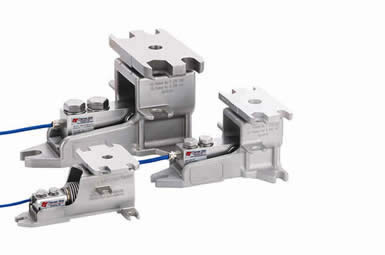
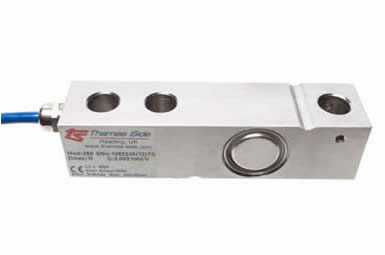
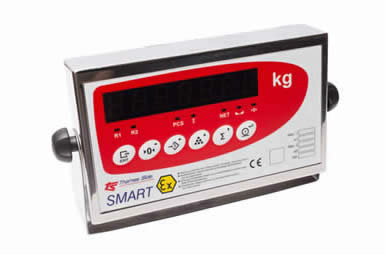
Contact Thames Side now to discuss your requirements for load cells and instrumentation/electronics to be used in hazardous areas. We have significant experience and applications knowledge and we can provide expert guidance on the optimum solution for you.








© 2026 Thames Side Sensors Ltd | All rights reserved | Company No. 5864561 | VAT Number GB 896 2445 80
Powered by Intergage